The Role of Nutrition in Skin Health
Have you ever heard the expression "we are what we eat"? Never has this statement been more true when it comes to skin health. Diet plays a crucial role in the appearance and function of our skin. In this article, we explore how diet can influence skin health and share tips for a diet that promotes radiant and healthy skin.
How can diet affect skin health?
Diet has a significant impact on skin health, and an unbalanced diet can lead to visible negative effects. The skin, being the largest organ in the human body, needs a wide variety of nutrients, minerals, and vitamins to stay healthy and radiant.
-
Essential vitamins: A lack of vitamins, such as vitamin C and vitamin E, can make the skin more susceptible to problems like dryness, flaking, or even inflammation. Vitamin C, for example, is essential for collagen production, which keeps the skin firm and elastic. Vitamin E, with its antioxidant properties, protects the skin against damage caused by free radicals.
-
Important minerals: A lack of minerals can trigger problems like acne and skin inflammation, as they are crucial for regulating the skin's oil production and aiding in healing.
-
Unbalanced diet: Excessive consumption of refined sugars and processed foods can increase oil production and lead to the appearance of acne. Additionally, excess sugar harms collagen, reducing skin elasticity.
-
Insufficient hydration: Water is indispensable for the skin. Lack of hydration can make it dry and dull, compromising its functions.
How to improve your diet for healthy skin
While a balanced diet is not solely responsible for skin health, it plays an important role. Here are some tips to help improve your diet and promote healthier skin:
- Drink plenty of water: Adequate hydration is essential for keeping skin healthy and eliminating toxins from the body.
- Consume antioxidant-rich foods: Include berries, green leafy vegetables, and green tea in your diet to combat free radicals.
- Opt for healthy fats: Avocados, nuts, and omega-3-rich fish are essential for skin health.
- Vitamin C-rich foods: Citrus fruits, strawberries, kiwi, and peppers are rich in this vitamin, essential for collagen production.
- Reduce refined sugar consumption: Avoid sweets and processed foods, which increase oil production.
- Consume lean proteins: Include chicken, fish, or tofu in your diet to help with skin cell repair.
- Avoid processed foods: Opt for fresh, natural foods whenever possible.
- Moderate caffeine and alcohol: Both can dehydrate the skin. Compensate with water.
- Maintain a balanced diet: Ensure you consume a variety of foods to get all the necessary nutrients.
- Consult a professional: If you have specific concerns, seek a dermatologist or nutritionist for personalized guidance.
Diet and combined care
Remember that diet is just one part of skin care. For more effective results, combine a healthy diet with a care routine that includes cleansing, hydration, and sun protection.
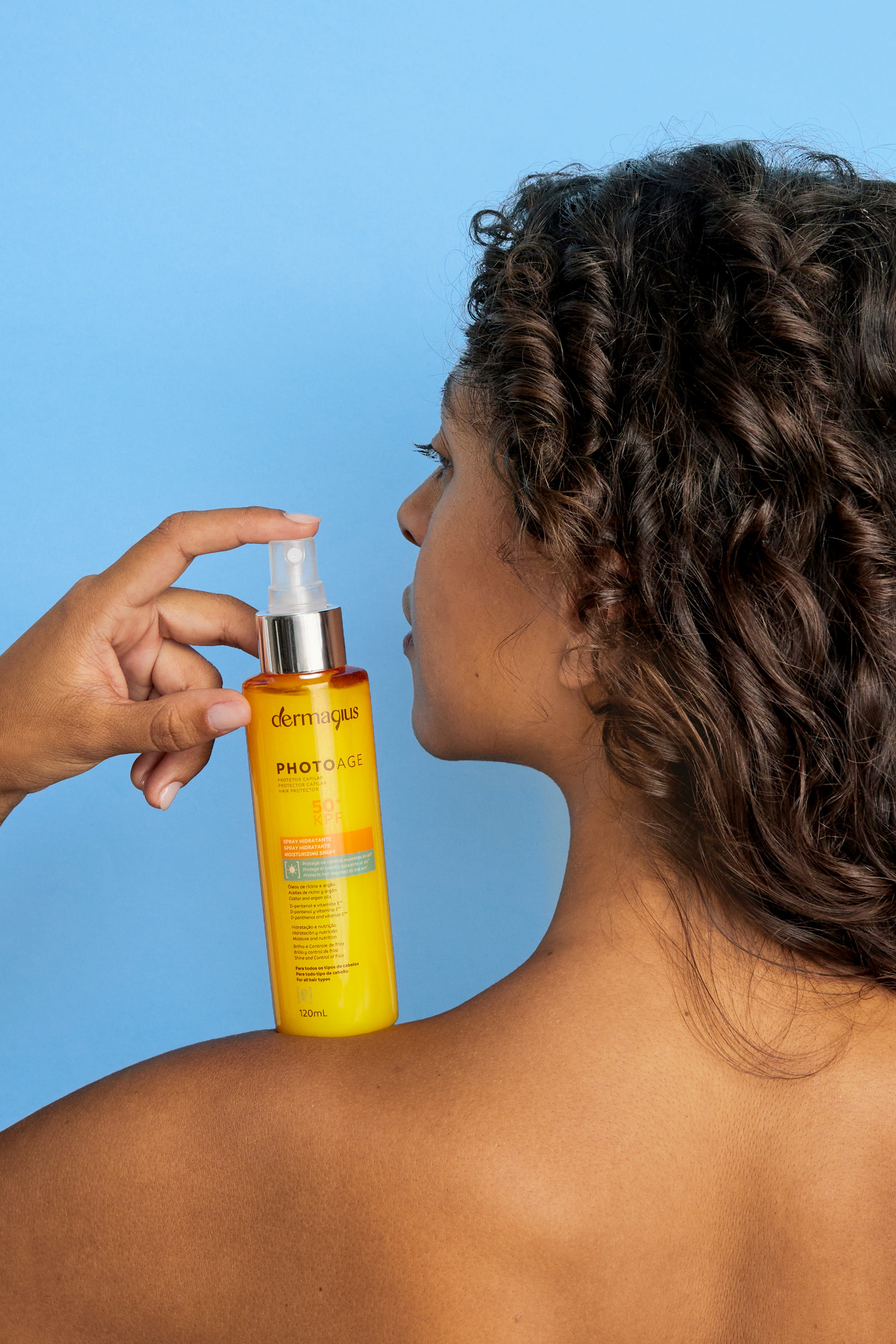
Dermagius develops dermatologically tested, highly effective products that perfectly complement a healthy lifestyle. Take care of your diet and try our products to achieve truly radiant and healthy skin!